Dramaturgy Resource Guide for
Twelfth Night
Directed by John DiAntonio
Utah Shakespeare Festival, 2026
This resource is a living document that will grow through the rehearsal process. Always feel free to check back for more information. If you would like to see additional resources here, please just reach out! lezliecross@yahoo.com
Text Resources
Schmidt’s Lexicon
David Crystal’s Shakespeare’s Words
OpenSourceShakespeare Concordance
Twelfth Night First Folio Facsimile
Marjorie Garber on Twelfth Night
Twelfth Night and Venetian Carnival
A time of celebration and misrule before real life kicks back in.
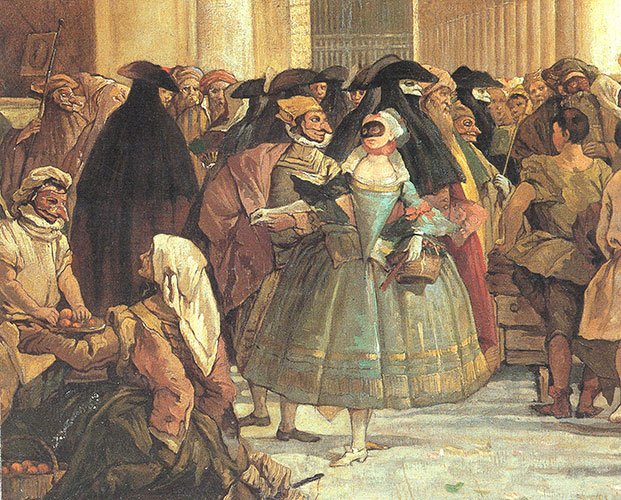
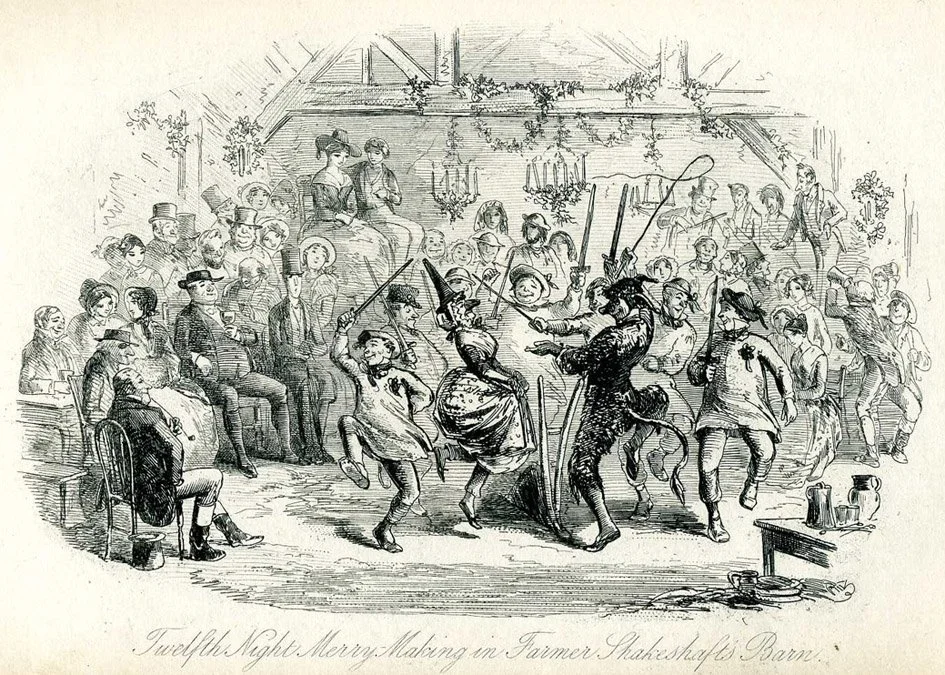
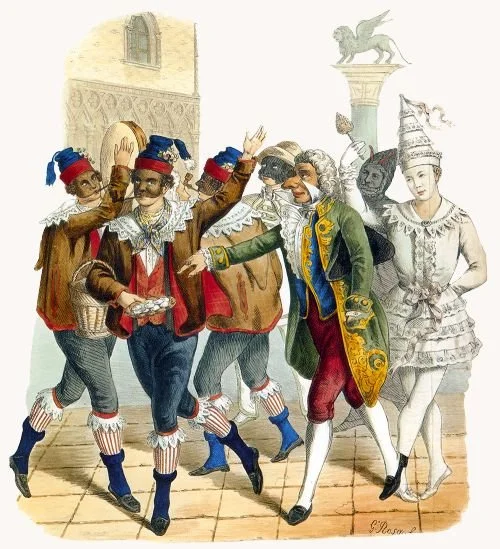
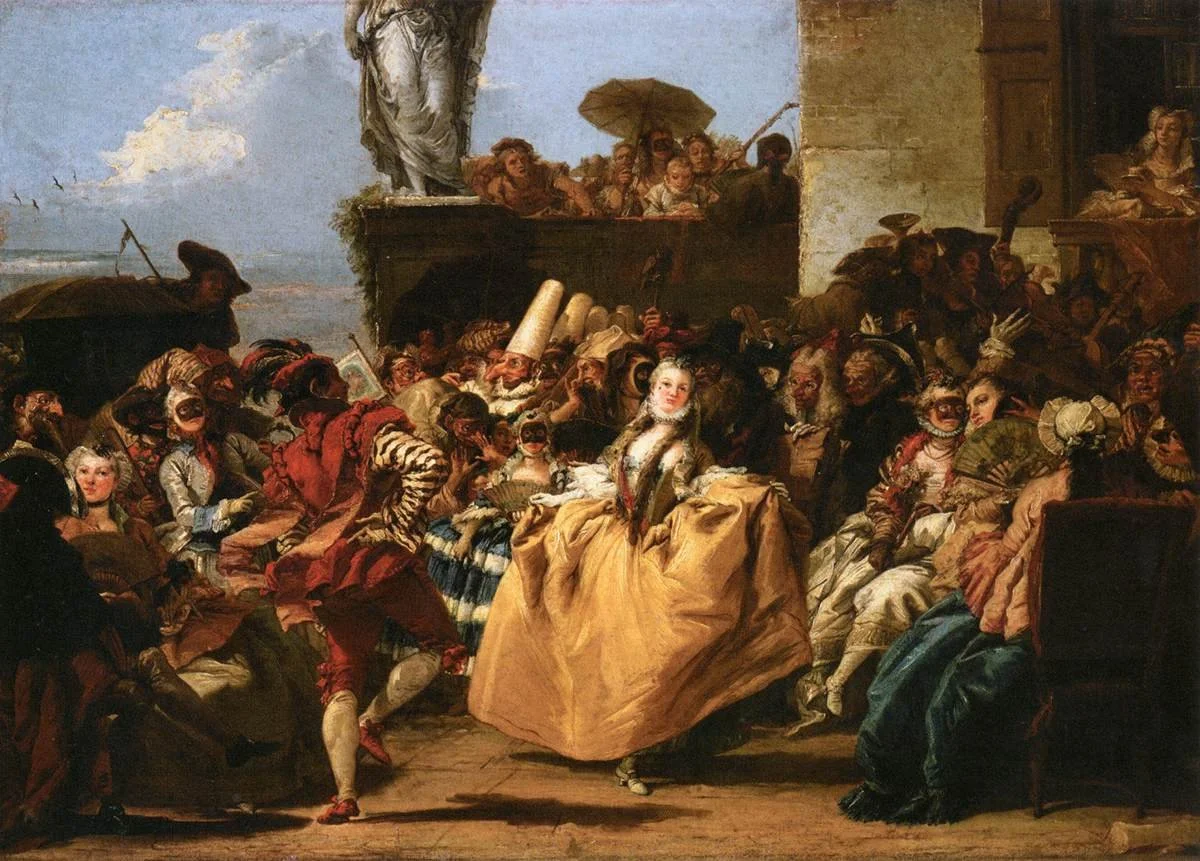
Also known as Shrovetide, Carnival is a celebration leading up to Lent including Shrove Tuesday (or Mardi Gras). Carnival celebrations include public parades and parties and elaborate costumes allowing people to set aside their everyday personas.
The Venetian Carnival stretches back to Medieval times and draws a lot of its iconography from Commedia dell Arte, including the elaborate masks worn for the celebrations. Rick Steves on Venetian Carnival Masks.
For word nerds like me, the word Carnival comes from the Latin carne levare meaning “remove meat.” So it is the party before you don’t have meat for Lent.
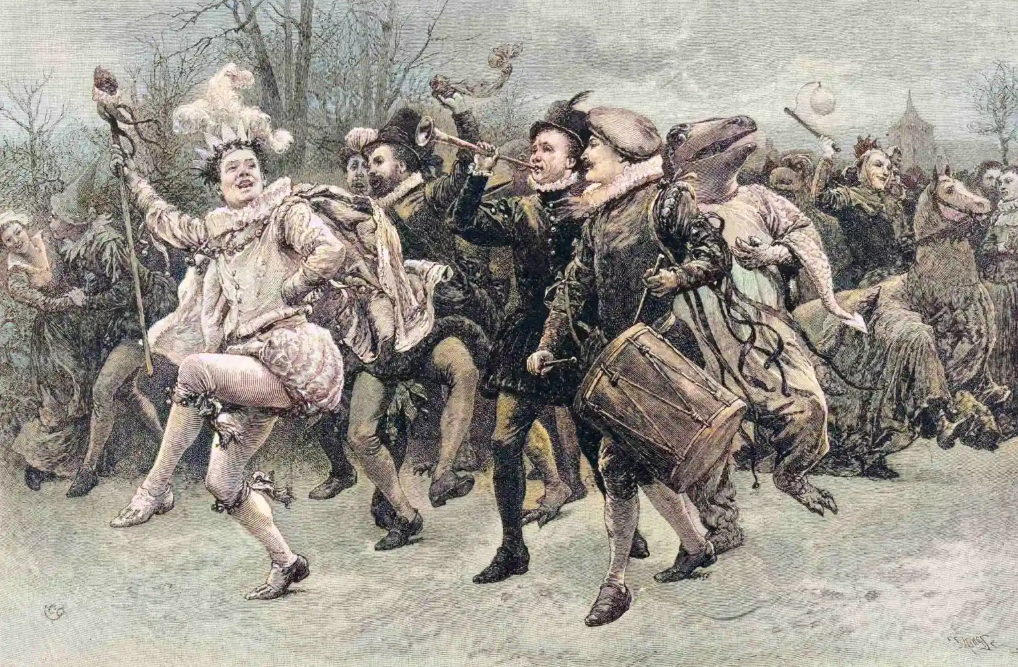
Ending with the Feast of the Epiphany on January 6, Twelfth Night is a celebration that stretches from the Christmas holiday for (you know) twelve nights. There is wassail, singing, and general merriment (Toby would approve).
A feature is the King Cake: whoever finds the bean in the cake is the King for the day, the Lord of Misrule.
Experience what it was like: Lucy Worsley on the Twelve Days of Tudor Christmas.
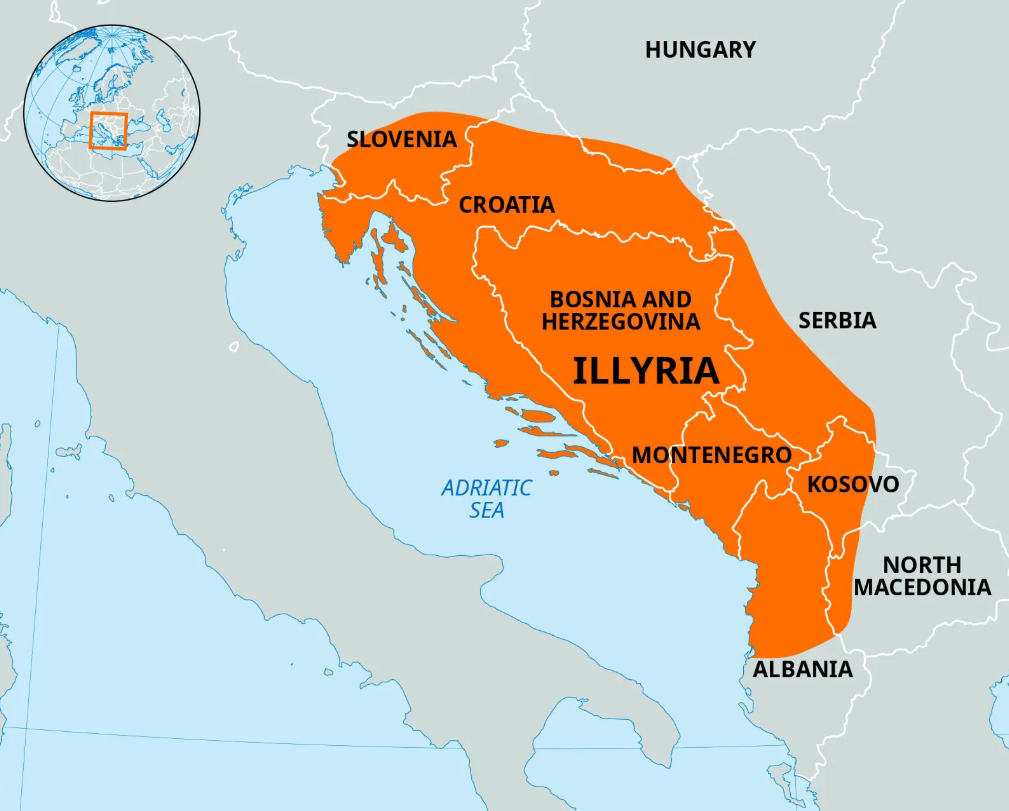
This is Illyria, lady
Illyria was the Greek and Roman name for the region on the eastern part of the Adriatic Sea comprising northwestern part of the Balkan Peninsula. Today it is home to Albania, Bosnia and Herzegovina, Montenegro, and Croatia.
Sorry Sebastian and Viola, Messaline isn’t a real place…
(Maybe Shakespeare meant Messina or Mytilene? )
WS: Good at plays, bad at geography…
Timeline
This chart is a working document trying to wrastle Shakespeare time into logical time. I look forward to debating it with you all!
Rank and Nobility
“He is knight, dubbed with unhatched rapier and on carpet consideration” (Toby, 3.4)
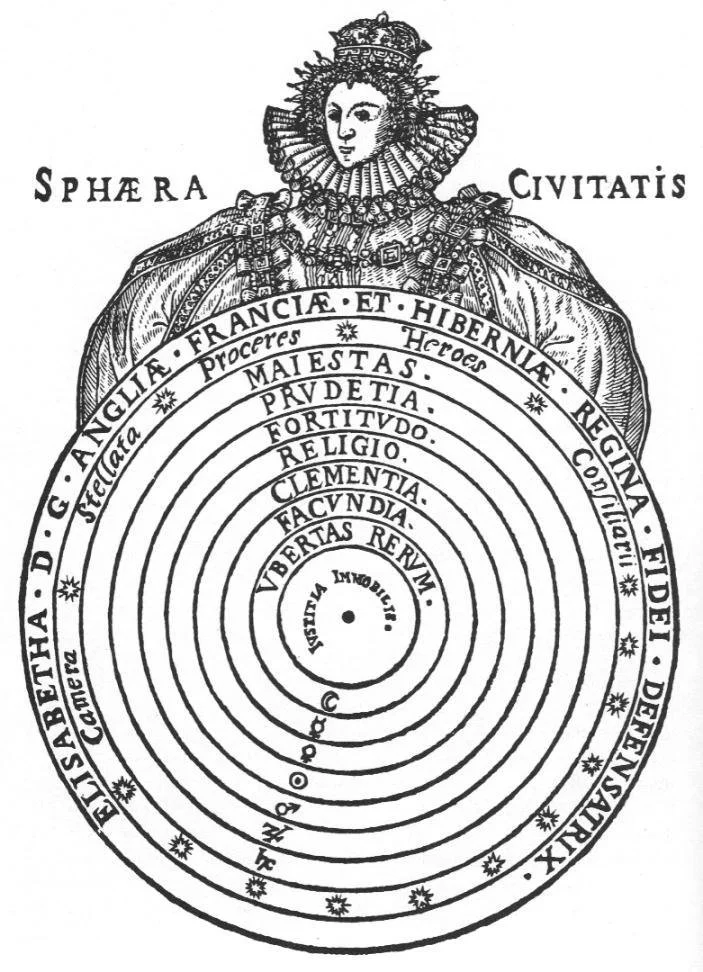
Elizabethans believed in a strict social hierarchy, influenced by the Great Chain of Being.
Social mobility was not really a thing, which makes Malvolio’s desire for “Greatness” all the more outrageous.
Ranks
Royalty: King/Queen
Nobility (Barons and higher)
Duke (Orsino)
Marquis
Count/Countess (Olivia)
Viscount
Baron (Likely Toby, as he is addressed as “Sir”)
Gentry
Knight (Andrew)
While Elizabethan Knights often fought as soldiers for the Queen, the title was often conferred upon Elizabethans as a matter of prestige (carpet consideration). Knights of the Garter were the highest ranking knights.
Esquires
Gentlemen and Gentlewomen (Sebastian, Viola)
Yeomanry (the middle class)
Laborers (our serving class)
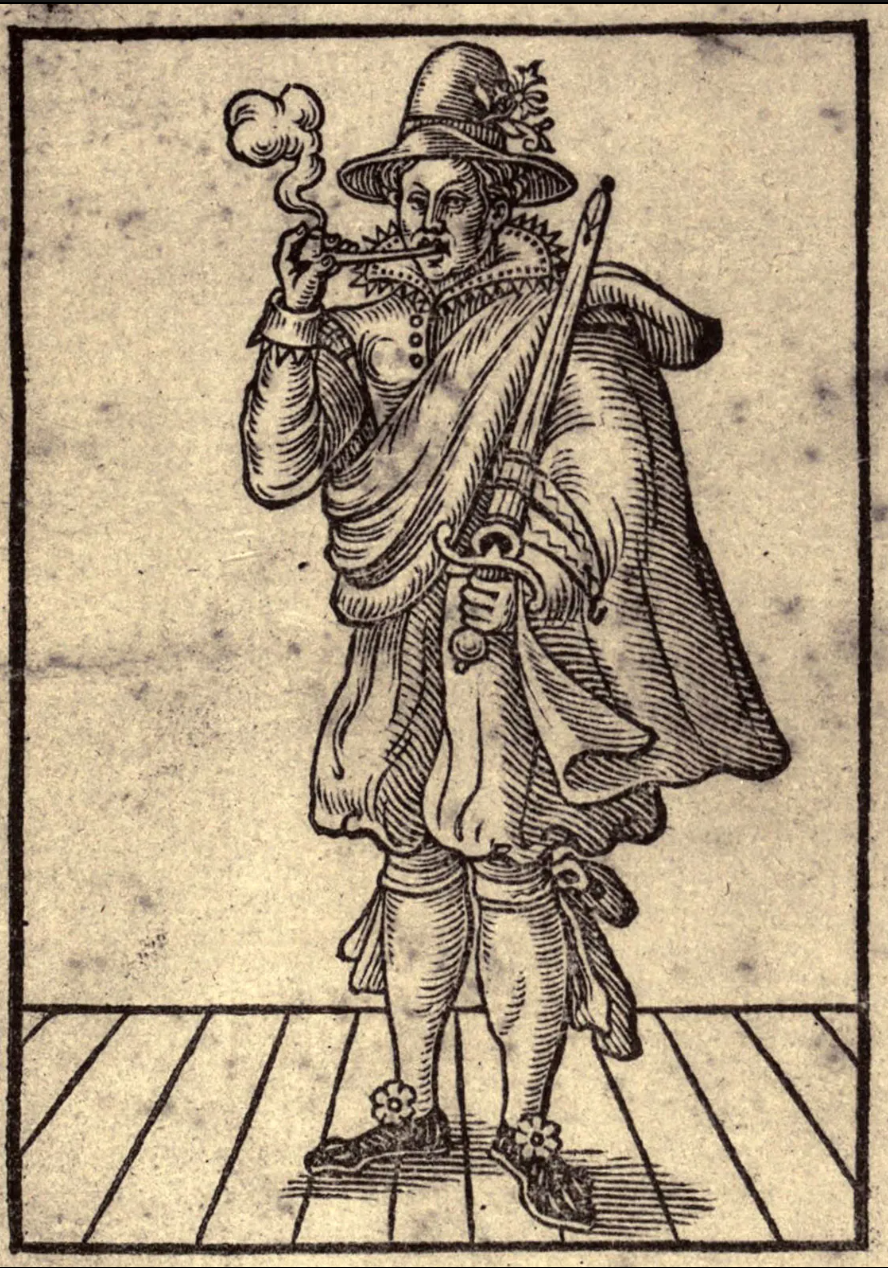
Mary Frith, also known as Moll Cutpurse (1584-1659)
Gender in Shakespeare’s England
The subtitle of Twelfth Night, “or what you will” could have easily been a commentary on the fluid gender dynamics of the play.
In Shakespeare’s day, Viola would have been a boy playing a girl playing a boy for most of the play and Olivia would have been a boy playing a girl in love with a boy playing a girl playing a boy. PHEW.
The Early Modern period was an interesting clash between rigid rules about what a man and a woman could do legally and a period with a surprising amount of female agency, perhaps due to having a female monarch on the throne.
The fabulous creature to the left is Mary Frith also known as Moll Cutpurse. Frith wore male attire, despite social mores, and became a celebrated figure in London, featuring in Middleton and Dekker’s play The Roaring Girl (1611).
Firth wasn’t the only one. Britannica tells us that “Arrest records of the period demonstrate instances of prostitutes disguising themselves as men so as to be less noticeable to the authorities while on the streets and of women wearing male clothing to visit or elope with their lovers.”
The pamphlets Hic Mulier: or, The Man-Woman and Haec-Vir: or, the Womanish-Man (1620) indicate some of the anxieties around gender in Early Modern England. While Hic Mulier against women wearing men’s clothes, Haec-Vir argues that women were forced into "overstepping their bounds" because men have ceased to be "real men".
Similarly, many of the anti-theatrical tracts from the period rail against boy players taking on female roles, which “effeminized” the minds of the audience and could negatively impact the gender identity of the performers.
Further Reading:
Russ McDonald, The Bedford Companion to Shakespeare
Liza Picard, Elizabeth’s London
Bruce Smith, Twelfth Night: Texts and Contexts, Chapter 4
Will Tosh, “What you will: gender fluidity in Twelfth Night”
Mourning Practices
Many now “traditional” mourning practices came about in the Victorian era.
In Renaissance Italy, there were elaborate funeral processions, which included aspects of parade and performance to pay homage to the deceased. They were designed to demonstrate the wealth of those involved and were accordingly lavish depending on rank. Additionally, they were segregated by gender and class.
The immediate family members of the deceased wore mourning garments for an extended time. While this eventually became black, in Renaissance Italy it could be grey or brown.
A fun tradition which I think we should bring back is that usually large quantities of broad beans were prepared (known as beans for the dead), which were thought to be linked to the afterlife.
Viola fears Sebastian is in Elysium, a paradise from the Greek tradition also known as the Elysian Fields.
In the Catholic tradition, Judgement determined your destiny after death :
paradise for those worthy of being saved, (Elysium anyone?)
hell for those who “deserved” damnation,
purgatory for those who were not damned, but were not worthy of paradise. There, they could purify themselves before going to paradise
One of the changes of the Reformation was the erasure of these three levels. Calvin considered the immortality of the soul to be a characteristic of man, which made him different from animals. This resulted in a doctrine of free salvation. This also reduced the need for elaborate funerals and extended prayers for the dead, because they were already saved.
Resources:
https://renaissancesculptureandtheatre.wordpress.com/putting-on-a-show/
https://streetsofsalem.com/2022/01/07/the-era-of-excessive-mourning/
https://museeprotestant.org/en/notice/the-protestants-attitude-towards-death/
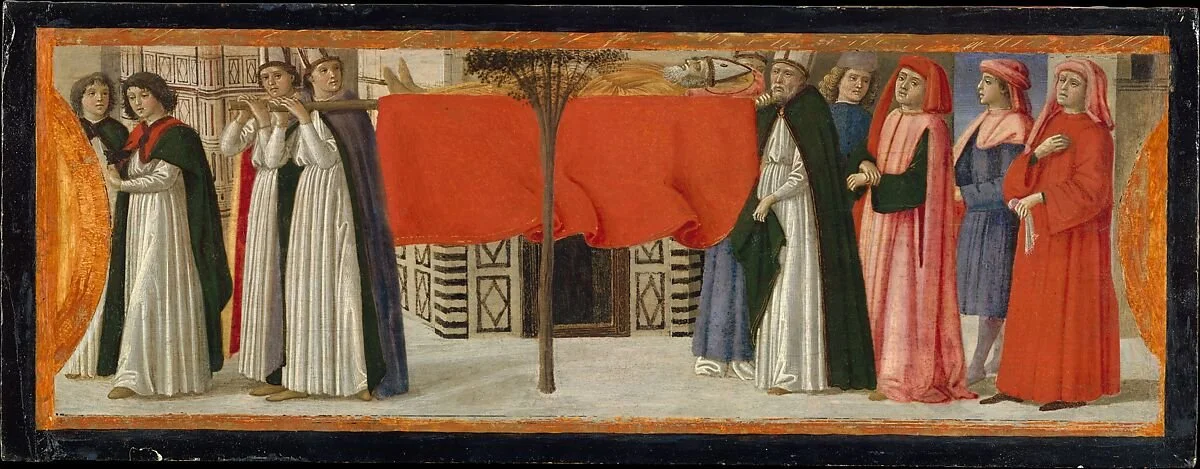
Davide Ghirlandaio (David Bigordi), The Burial of St. Zenobius, 1479
Daily Life
in Shakespeare’s England and Baroque Venice
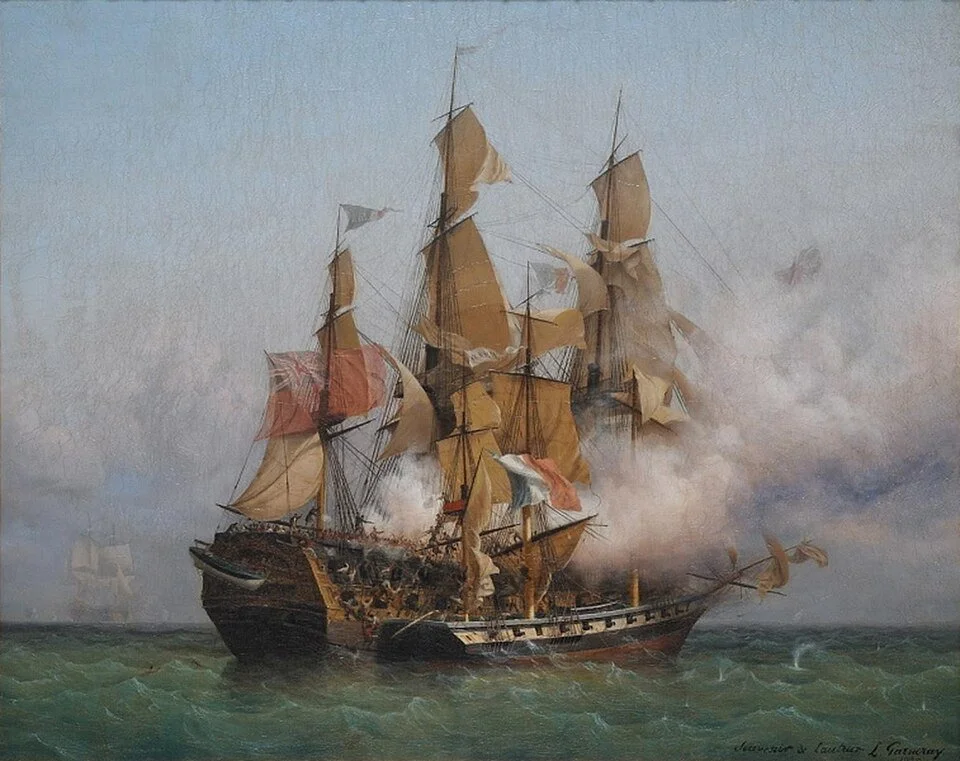
Notable Pirate(s)
In Shakespeare’s day, Piracy was all in the eye of the beholder…
Queen Elizabeth I hired multiple privateers, such as Sir Francis Drake and Sir Walter Raleigh who were richly rewarded for raiding Spanish treasure ships and territories and bringing the booty back to England. “Legal” piracy was a major part of the English political and naval strategy. It also contributed to the English exploration of the “new world.” That said, the privateers didn’t always just rob from the Spanish to give to the Queen. Once they started stealing from the “wrong” people, they started to be thought of as pirates. Also, much like hackers today, pirates were often recruited to be “privateers” for the Queen.
Visual Glossary
-
![]()
Viol-de-gamboys
-
![]()
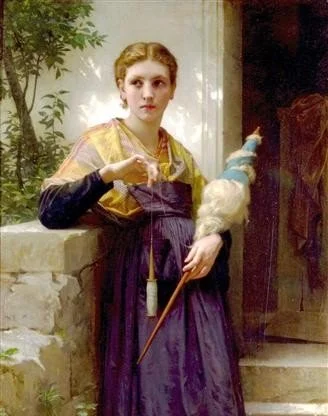
Flax on a distaff
-
![]()
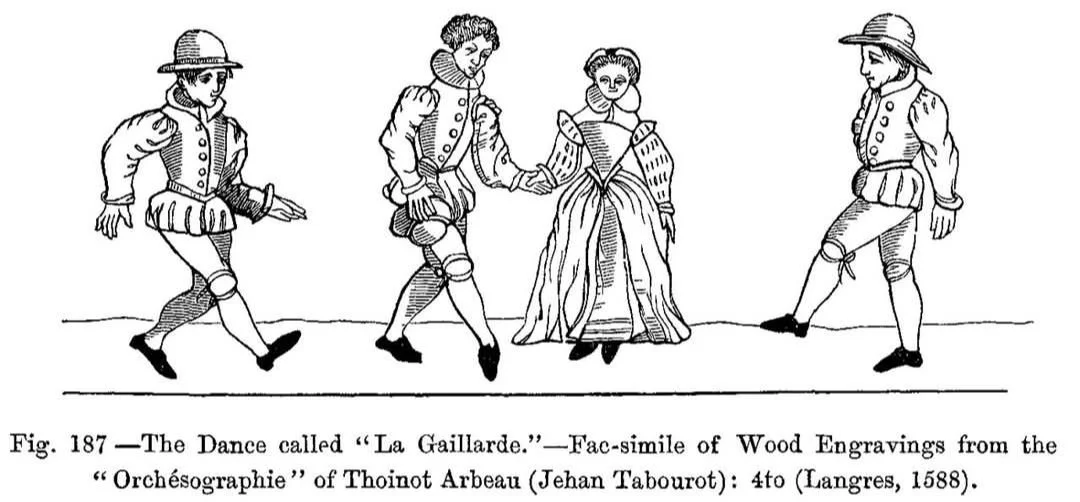
A Galliard
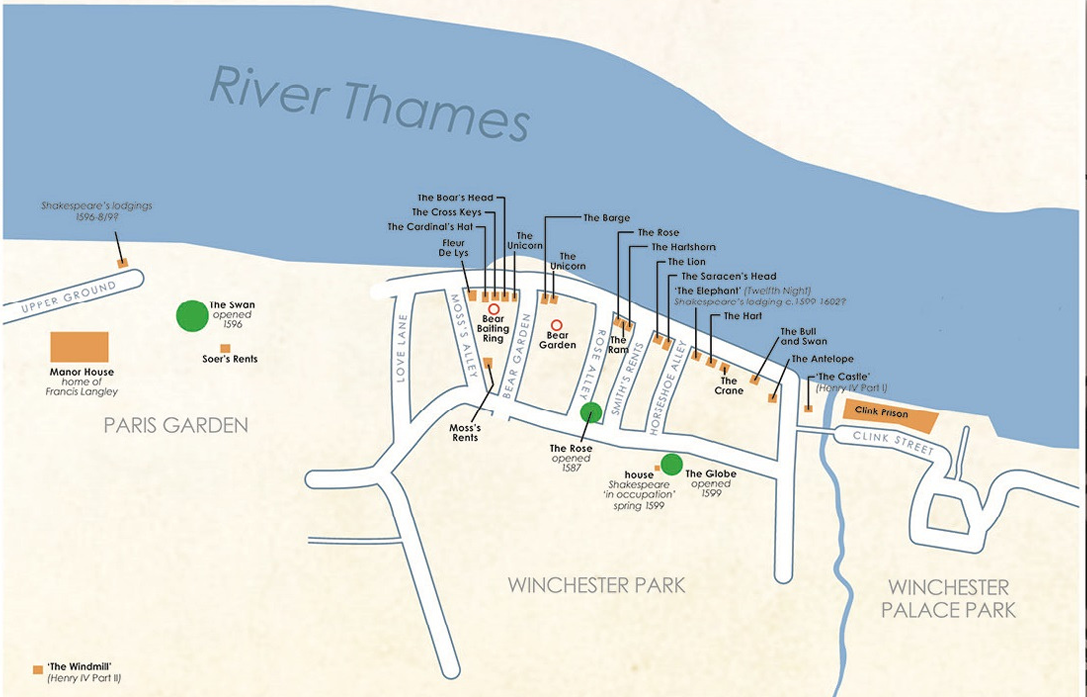
Meet me at the Elephant
The Elephant was located in the ward of Southwark, south of the Thames and west of the London Bridge. It was part of a row of twelve licensed brothels along Bankside that reopened after Henry VII closed them for a season in 1506 (Stow 2:55). Southwark contained 300 inns and alehouses offering skittles, bowling and gambling. See more at the Map of Early Modern London.
Shakespeare lodged near (or at?) the Elephant from 1599-1602, juuust about the time he was writing Twelfth Night.