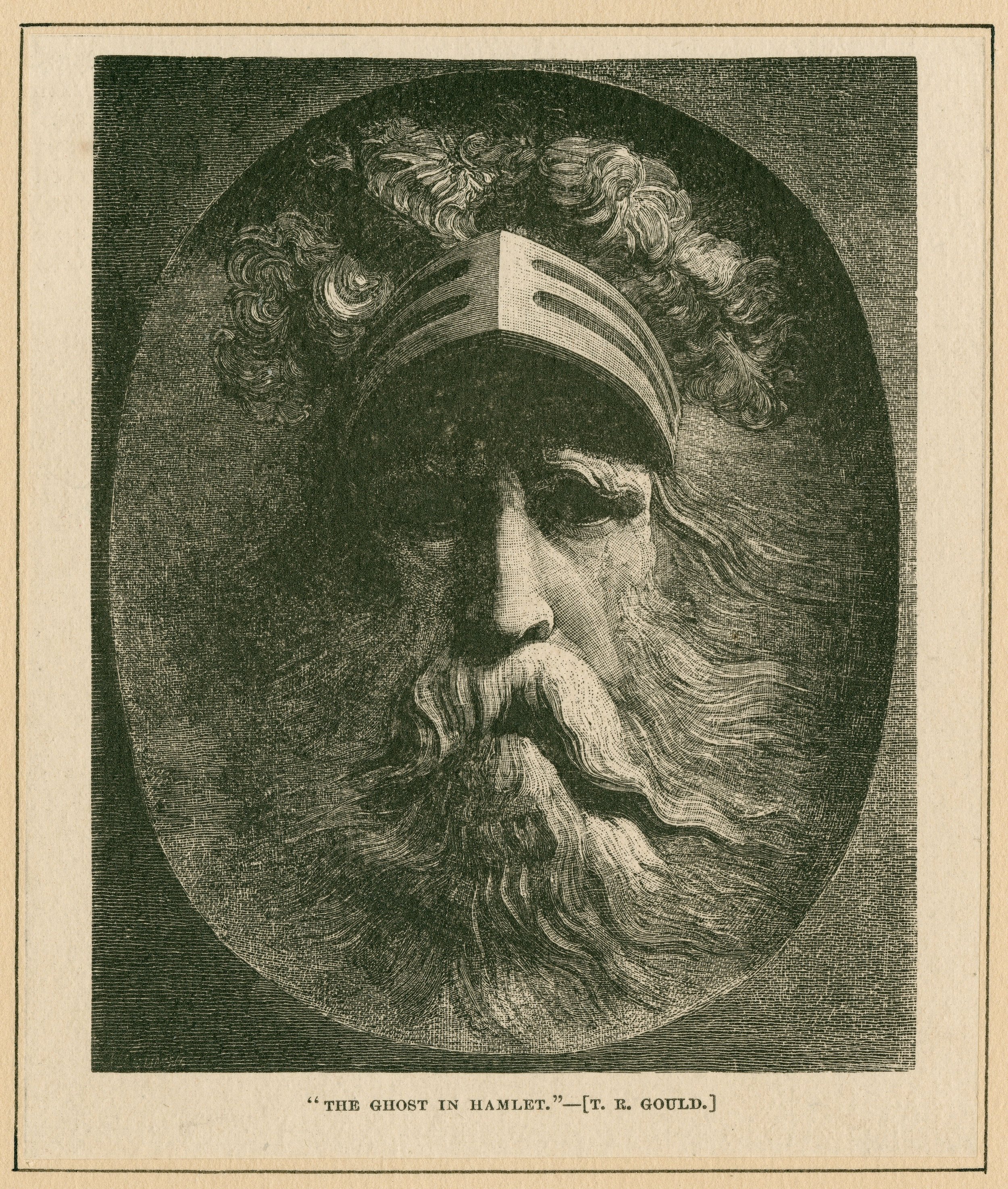
Dramaturgy Resource Guide for
Hamlet
Directed by Beth Lopes
Utah Shakespeare Festival, 2026
This resource is a living document that will grow through the rehearsal process. Always feel free to check back for more information. If you would like to see additional resources here, please just reach out! lezliecross@yahoo.com
Text Resources
and
Additional Reading
Schmidt’s Lexicon
David Crystal’s Shakespeare’s Words
OpenSourceShakespeare Concordance
First Quarto Facsimile
Second Quarto Facsimile
First Folio Facsimile
Marjorie Garber on Hamlet
Timeline
This chart provides a glimpse into the time and locations of the events of our production of Hamlet.
Constitutional Monarchy (Elizabeth I’s England) versus Elective Monarchy (Hamlet’s Denmark)
Constitutional monarchy (or parliamentary monarchy) is a form of monarchy in which the monarch exercises their authority in accordance with a constitution and is not the sole decision maker.
In England, the constitution was enacted with the Magna Carta in 1215 when King John ruled. In Elizabeth’s day, she still had the power to overthrow the will of Parliament. The Glorious Revolution of 1688 gave more power to the Parliament and today, the British monarch (King Charles IV) is an effectively ceremonial role. (Watch The Crown for how this played out in the 20th Century).
Fun Fact: Alexander Hamilton wanted the US to be a Constitutional Monarchy and he was totally voted down.
Elective monarchy is a form of monarchy where the ruler is elected instead of inheriting power. In Hamlet, the country is an elective monarchy, which is why Claudius was able to pop in between the election and Hamlet’s hopes (1.1). Hamlet was at school and not able to campaign, so Claudius was elected King. This is also why Claudius is so afraid of the approach of Laertes: “They cry 'Choose we! Laertes shall be king! / Caps, hands, and tongues applaud it to the clouds, / 'Laertes shall be king! Laertes king!'” (4.5). Poor Claudius needs to remove both Hamlet and Laertes to stay safely in power.
In an elective monarchy, there can never be a succession crisis, as the next monarch is elected when the previous one dies and leaves no heir. In 1600, there were many concerns in Shakespeare’s England about a succession crisis, given that Elizabeth I was 67 years old and had no heir.
“To this speedy voyage”
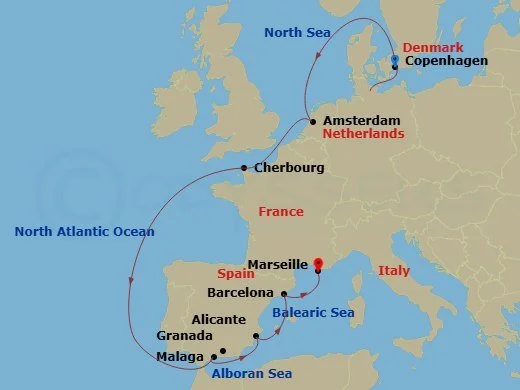
The characters in Hamlet travel across Europe. Take a peek at some of their possible journeys.

Hamlet and Horatio: Wittenberg to Denmark.
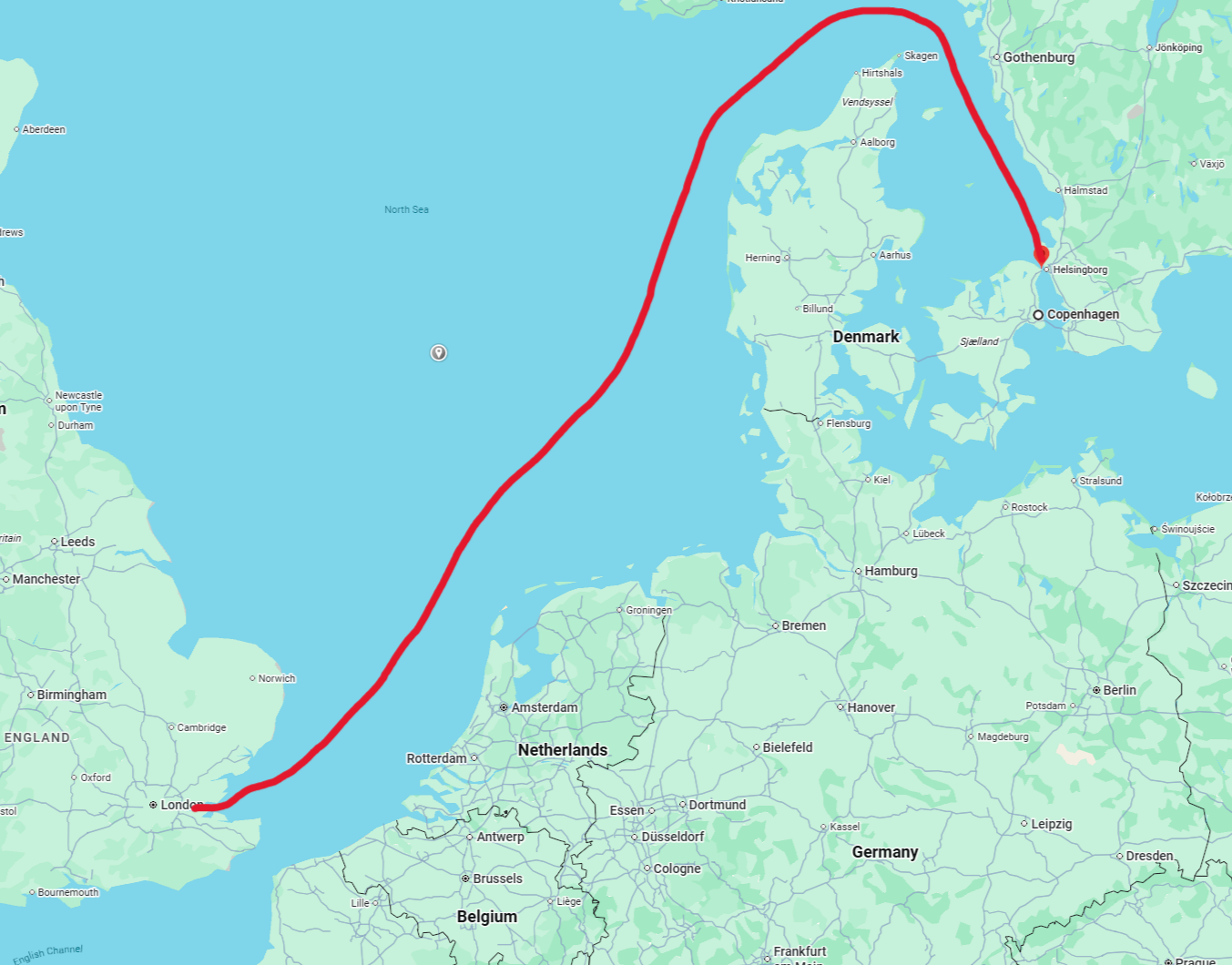
Hamlet and the Pirates: Denmark to England by sea
Laertes: the sea route to France
Ghosts, Purgatory, and Religion
The tension around the Ghost in Hamlet has a lot to do about Early Modern religious beliefs. As a reminder, England was a Catholic country until Henry VIII decided he wanted a divorce, then they became a Protestant country. Under Queen Mary they went back to Catholicism and under Queen Elizabeth back to Protestantism. (flip-flop-flip-flop). As a result, many people weren’t sure what to believe.
Shakespeare himself was raised Catholic but given the laws of the time was a Protestant. You can feel that tension in a lot of the plays. (there are many scholars who think he was a secret Catholic)
In the Catholic tradition, Judgement determined your destiny after death :
Paradise for those worthy of being saved,
Hell for those who “deserved” damnation,
Purgatory for those who were not damned, but were not worthy of paradise. There, they could purify themselves before going to paradise. Hamlet Senior is here - mostly because he was not able to repent before his death.
So for a Catholic, a ghost can be a real person returned from Purgatory
In Protestant tradition, you had “free salvation, which meant only two choices:
Paradise for those worthy of being saved,
Hell for those who “deserved” damnation
So for a Protestant a Ghost can be three things:
a mistake or hallucination
an angelic visitor from heaven
a devil from hell
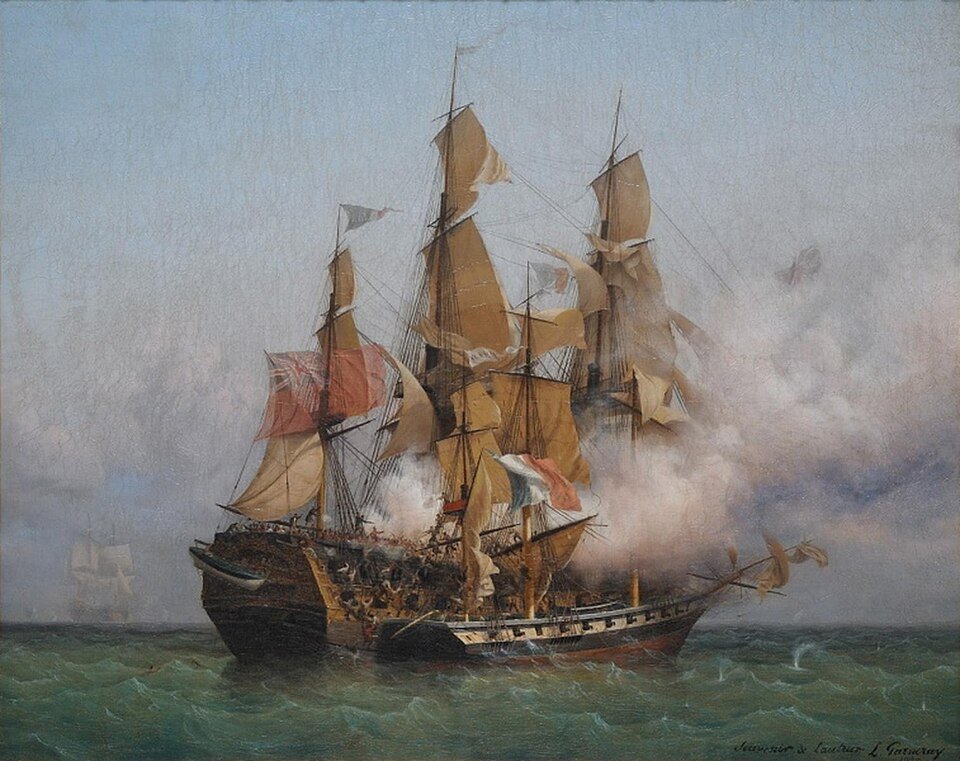
Pirate(s) of Warlike Appointment
In Shakespeare’s day, Piracy was all in the eye of the beholder…
Queen Elizabeth I hired multiple privateers, such as Sir Francis Drake and Sir Walter Raleigh who were richly rewarded for raiding Spanish treasure ships and territories and bringing the booty back to England. “Legal” piracy was a major part of the English political and naval strategy. It also contributed to the English exploration of the “new world.” That said, the privateers didn’t always just rob from the Spanish to give to the Queen. Once they started stealing from the “wrong” people, they started to be thought of as pirates. Also, much like hackers today, pirates were often recruited to be “privateers” for the Queen.
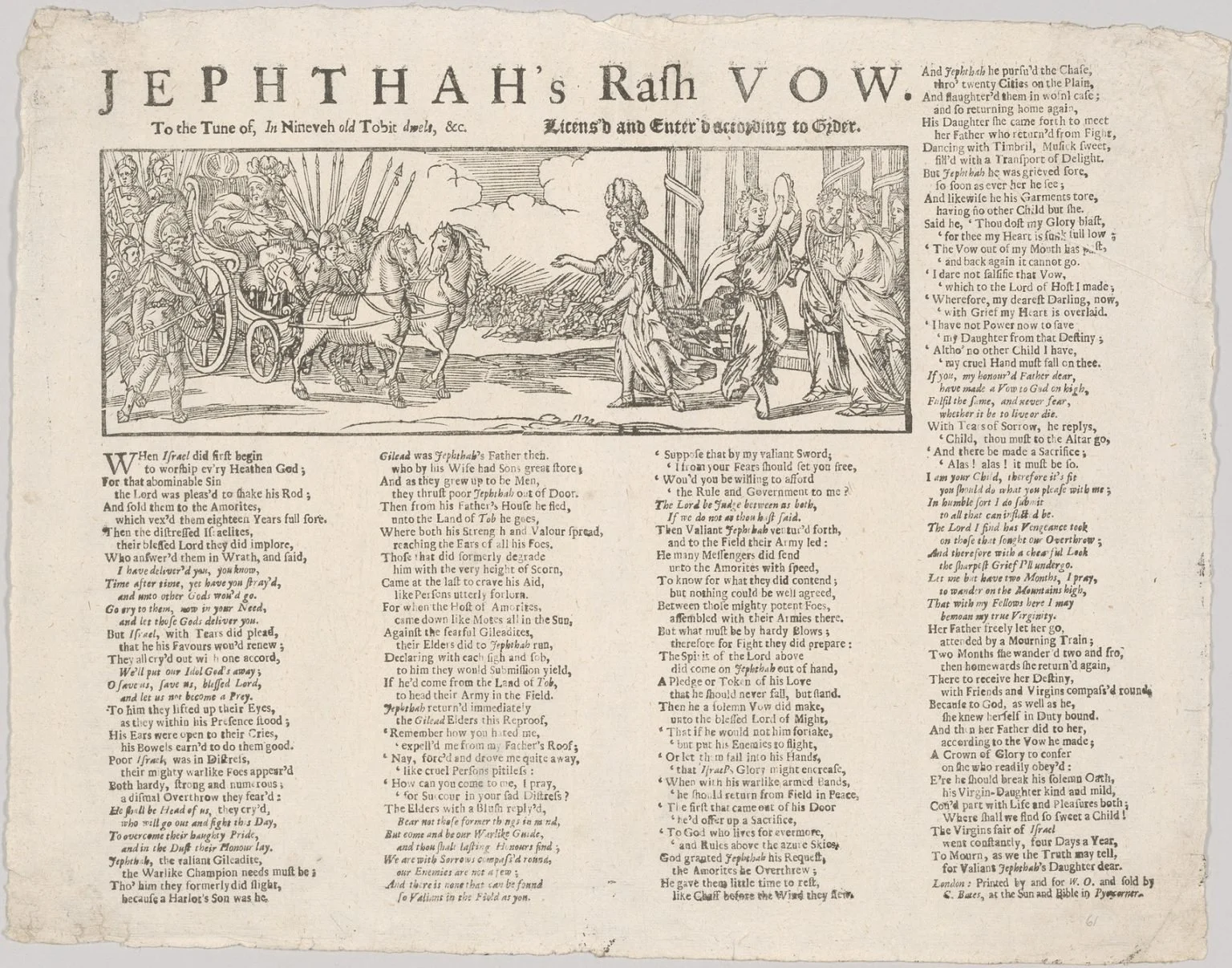
Tale of Jepha, Judge of Israel
I Read that many years agoe,
when Jepha Judge of Israel,
Had one fair Daughter and no more,
whom he loved so passing well.
And as by lot God wot,
It came to passe most like it was,
Great warrs there should be,
and who should be the chiefe, but he, but he.
Jephthah is from Judges 11. In exchange for God’s influence in battle against the Ammonites, Jephthah agreed to sacrifice the first thing he saw when he got home. They were triumphant and, unfortunately, the first thing Jephthah saw when he got home was his daughter. He sacrificed her as a burnt offering.
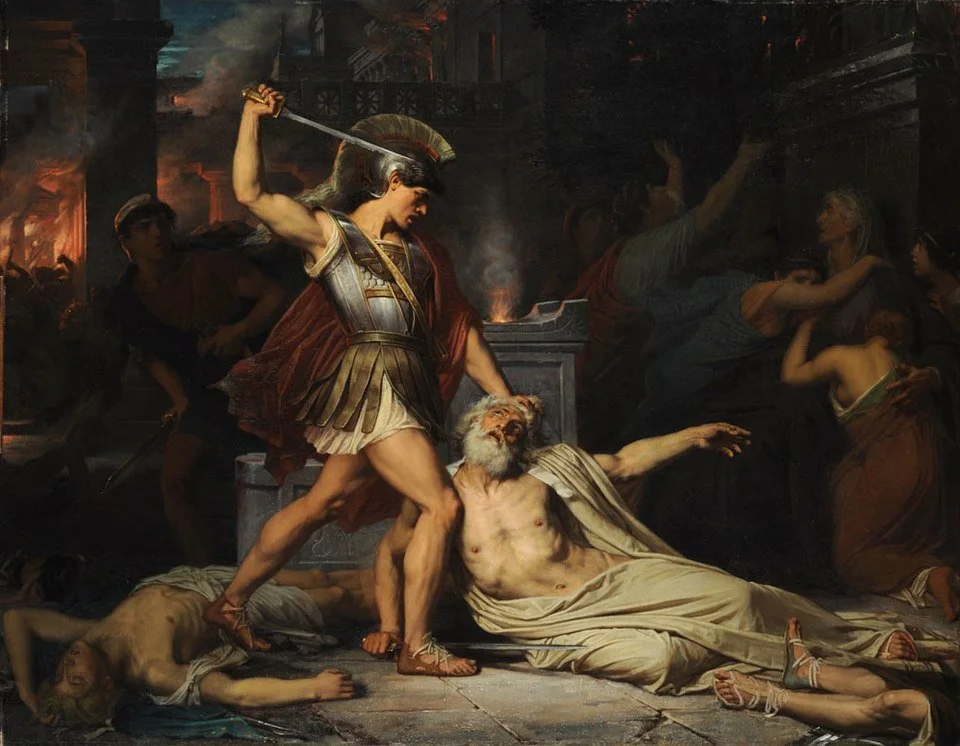
The Death of Priam
The death of Priam occurs about 3 years after the events of Troilus and Cressida.
Neoptolemus (aka Pyrrhus) is the son of Achilles. He was brought to Troy by Diomedes and Odysseus (Ulysses) and was one of the soldiers in the Wooden (Trojan) Horse. When night fell, the soldiers emerged from the horse in the middle of the night. Famously, the Trojans were surprised by the attack. Priam, despite his age, went to fight. Hecuba tried to stop him. After Pyrrhus killed their youngest son, Priam tried to throw a speak to kill him, effectively disarming himself. Pyrrhus then savagely murdered the unarmed Priam. Hecuba, finding him, was distraught.
Read the account in Stephen Fry’s book Troy.
Read Aeneas’ account from Book II of The Aeneid. The part from Hamlet is highlighted and begins on page 9.
The Language of Flowers
-
![]()
Rosemary: faithfulness in love; remembrance in death
-
![]()
Pansies: secret love, humility, remembrance
-
![]()
Fennel: strength, deceit, was medicinal (used for genecology in Hippocrates)
-
![]()
Columbine: associated with fertility (and cuckolds)
-
![]()
Rue (or herb o' grace): clear vision, virtue, grace
-
![]()
Daisies: purity, innocence, new beginnings, childbirth
-
![]()
Violets: faithfulness, love, modesty, innocence